Guide
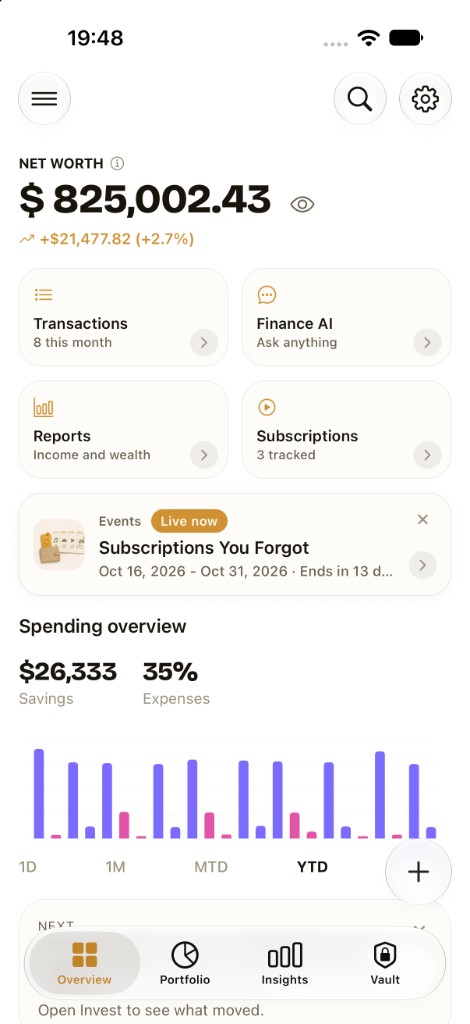
A remittance tracker for both sides of the send
A remittance tracker records income in one currency and spending, or family support, in another. If you only budget the receiving wallet, you hide the exchange-rate hit. If you only budget the salary, you hide what the household used. Track both sides.
Last reviewed October 20, 2026 by Francis Eshun, Founder of Iron Wealth. He built the on-device tracker these pages describe. Iron Labs.
Why is a remittance not a footnote?
A single “misc transfer” line hides the fee and the exchange rate, which are a recurring cost. Keep the earning account in its currency and the receiving wallet in its currency. One headline can still show both.
What does one send look like?
You send 200 GBP from a UK account. The operator quotes an example rate of 15 GHS per GBP and a 4 GBP fee, so 196 GBP converts. At that example rate, 196 × 15 = 2,940 GHS lands, not 3,000 GHS. The missing 60 GHS is the cost of the send. A second send, dollars to naira: 100 USD with an example rate of 1,500 NGN per USD and a 3 USD fee. 97 × 1,500 = 145,500 NGN lands, not 150,000 NGN. These rates are examples, not live quotes. Budget the household in the currency that arrived. Watch the sending account fall by the full amount, not by zero.
What if two households share the picture?
You may not want one company’s cloud storing both a host-country salary and a home-country wallet. Keeping the ledger on your device, with no required bank login, leaves that graph with you.
Questions
- Does Iron Wealth send remittances?
- No. It is not a money-transfer service. It tracks the accounts and the budget after you send.
- Can I see the send in two currencies?
- Yes. Dual display is built for a host currency plus a home currency.
- Is this only for African diaspora?
- No. The same model works for any household that earns in one country and supports another.
Track both sides of the send. Download Iron Wealth and keep remittance life in one private number.